
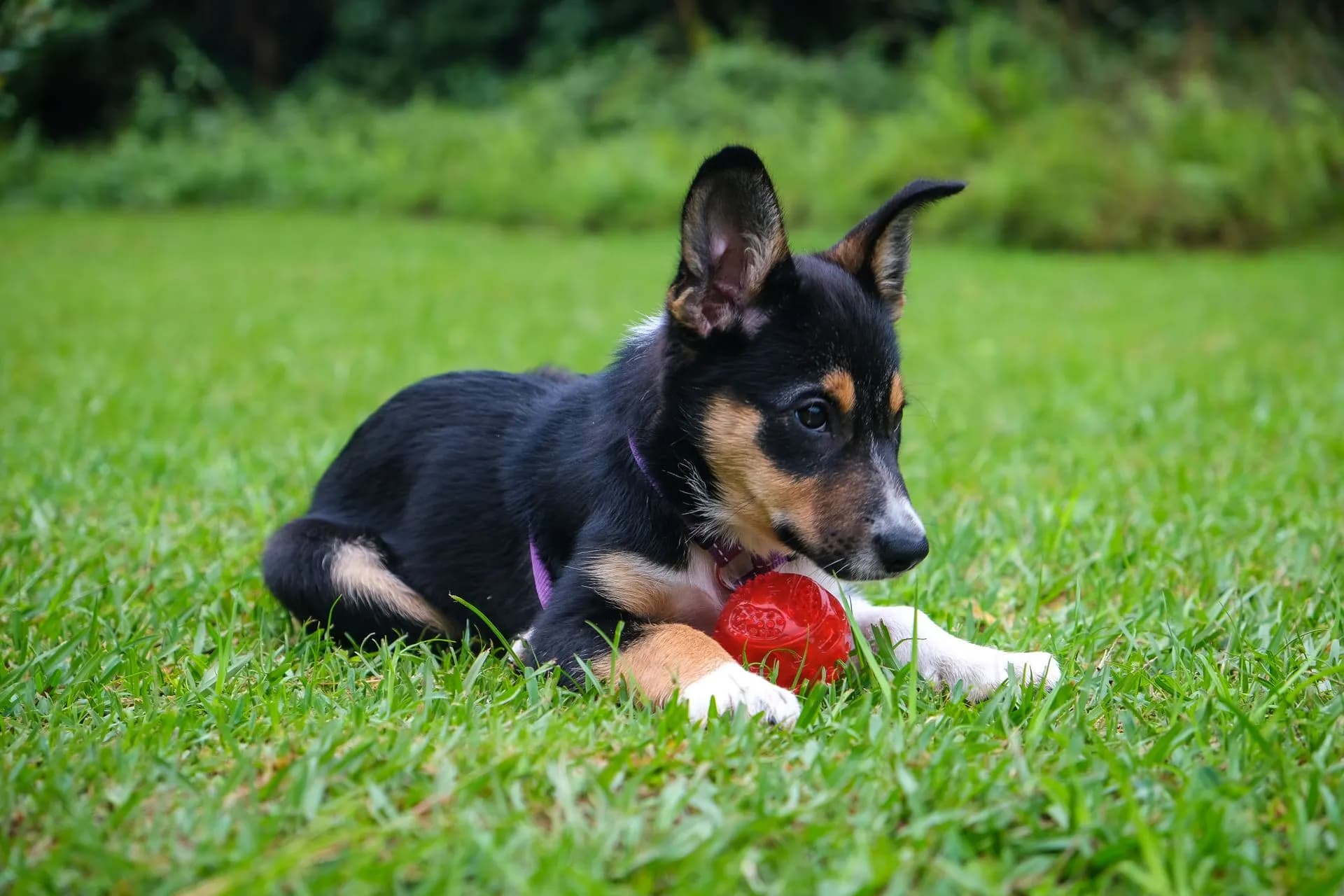
Puppy
Hello, tiny paws
The first weeks set the tone. Keep things calm, simple and full of naps.
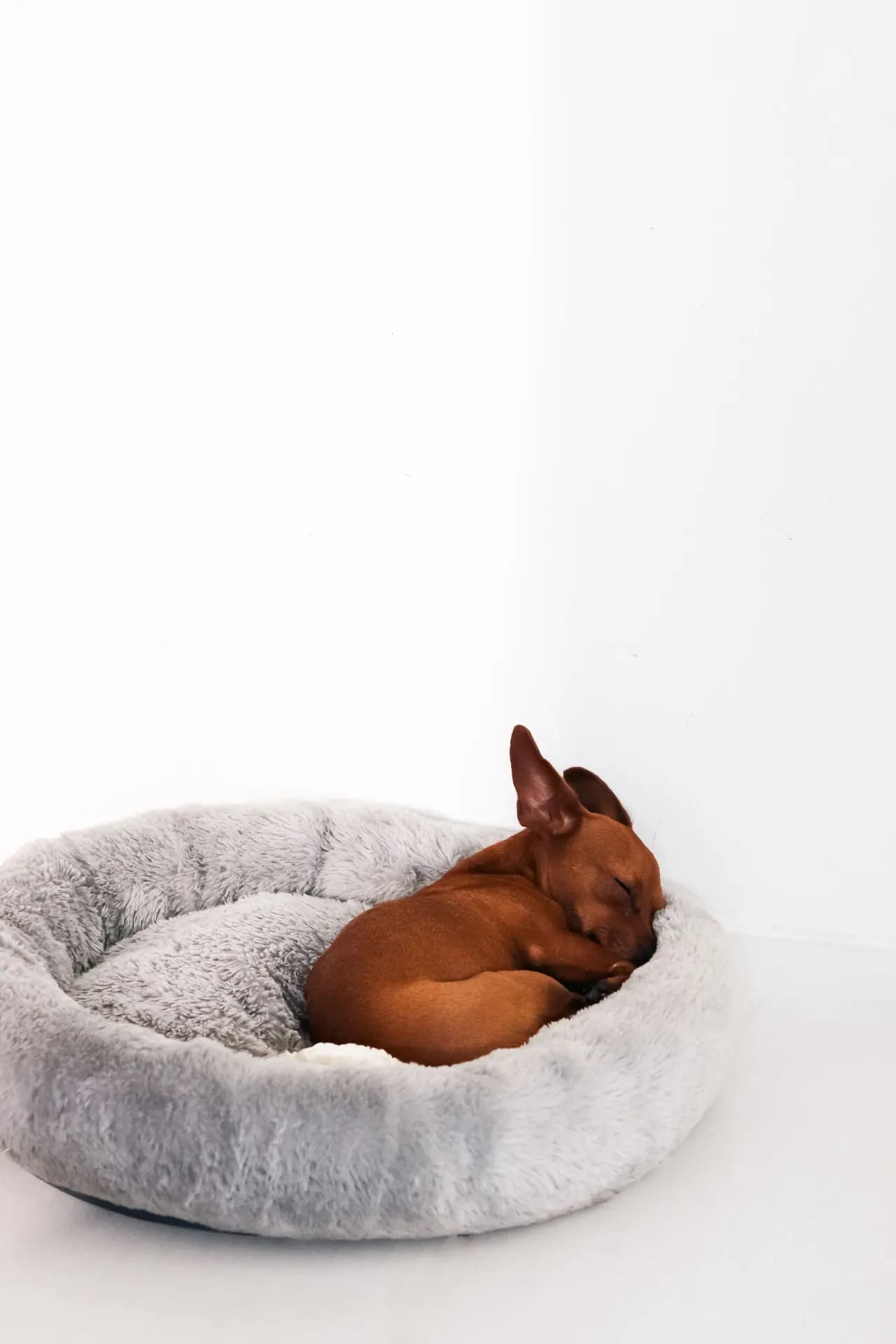
Puppy guide
Your first week with a puppy
New smells, new people, new everything. A calm, simple first week helps your puppy settle in.
1
Before day one
Set up a bed in a quiet corner, plus bowls, a couple of toys and a soft blanket that smells of home.
2
Keep it calm
Show them the bed, the bowls and the garden or potty spot. Save visits from friends for later.
3
Make a routine
Meals, naps and potty breaks at the same times each day. Puppies sleep a lot, and that is good.
4
Play little and often
Short games with a soft toy, then rest. Supervise play and swap out toys that show wear.
Ask your vet when your puppy is ready for walks outside and which checkups to book in the first weeks.

Kitten
Small cat, big plans
Kittens learn through play. Give them places to climb, scratch and hide.
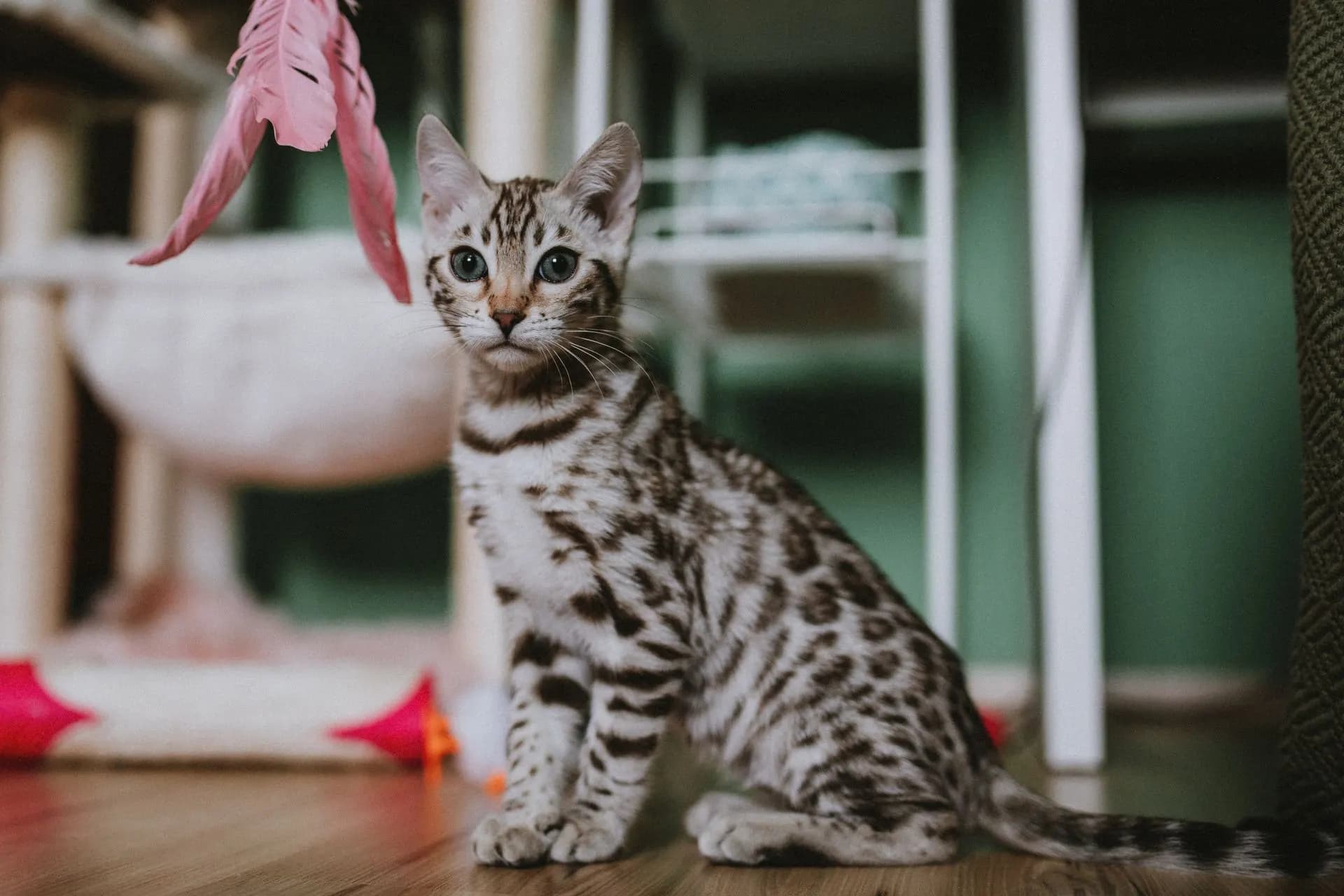
Cat guide
Play, perch and scratch
Cats love to hunt, climb and stretch. A few small changes at home give them all three.
1
Hunt with a wand
Two or three short play sessions a day. Let them catch the toy at the end, then put wand toys away.
2
Somewhere to scratch
A tall, sturdy post near where they sleep. Most cats stretch and scratch right after a nap.
3
A view from up high
A shelf, cat tree or window perch gives them a safe spot to watch the world.
4
Keep it fresh
Rotate a few toys each week so old favourites feel new again.
Ask your vet if your cat suddenly stops playing or changes how they use their space.
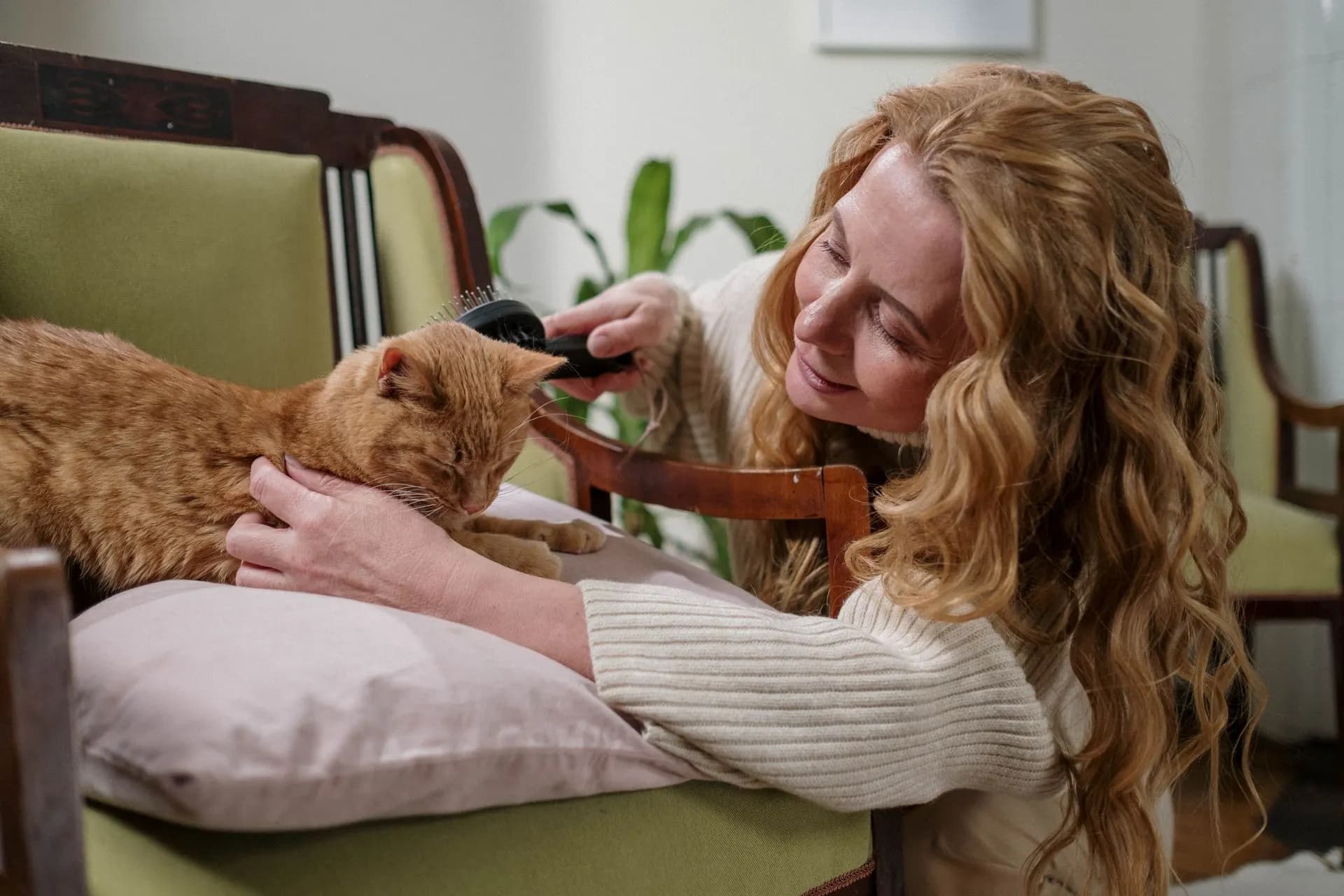
Everyday guide
Everyday grooming, the easy way
Start young with short, happy sessions and grooming becomes a cosy habit for you both.
1
Brush often
Short coats are happy with a weekly brush. Long and double coats like a few times a week.
2
Check ears and paws
A quick look after walks and play. Clean, dry and comfy is what you want to see.
3
Nails
If you hear them click on the floor, they may need a trim. A groomer or your vet can show you how.
4
End with a treat
Keep sessions short, stop before they get bored and finish with praise.
Ask your vet about tooth care and anything you spot on the skin, ears or coat.
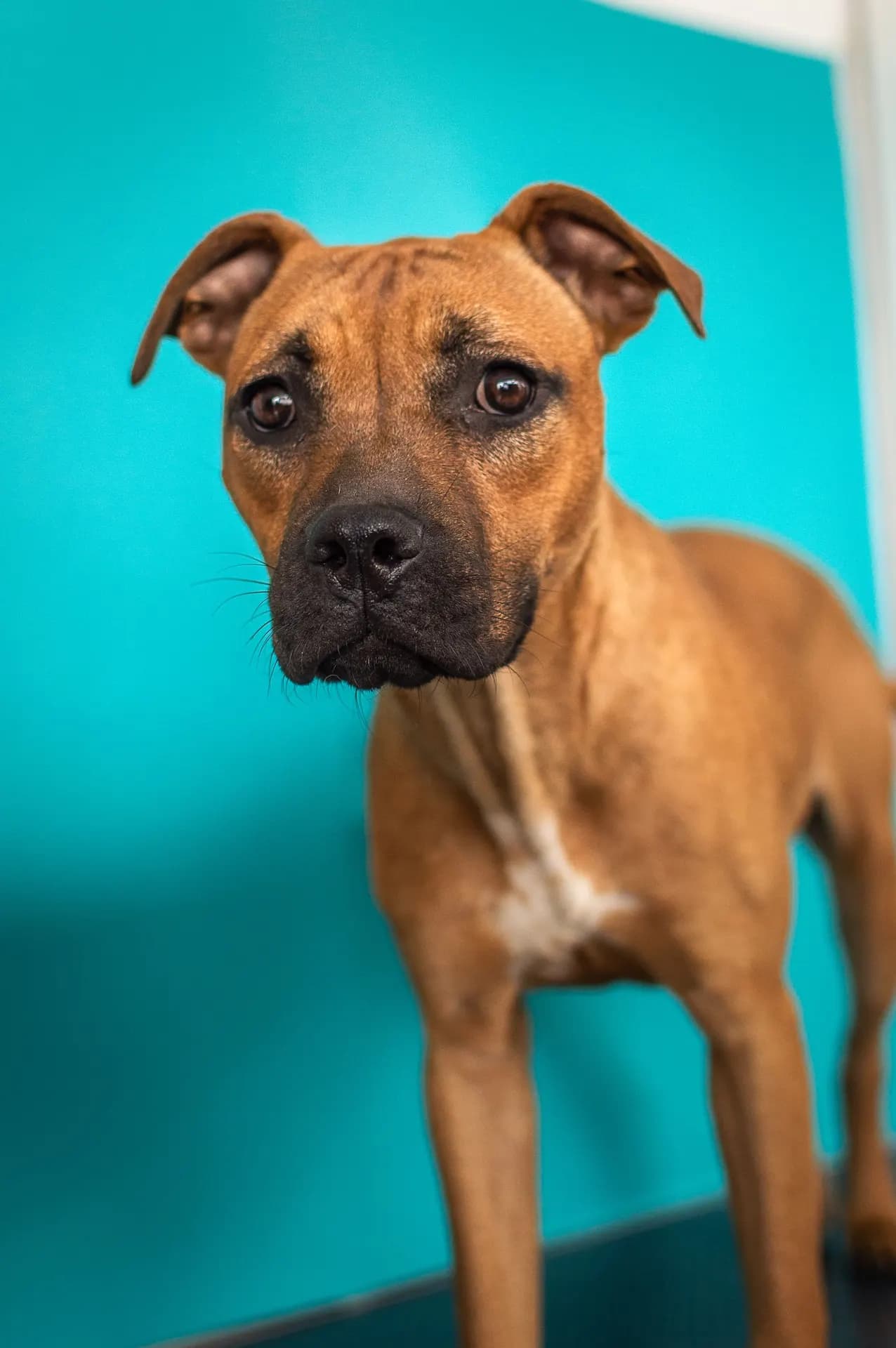
Adult
Walks, meals and more
Everyday care for grown up pets: gear that fits and food changes made gently.
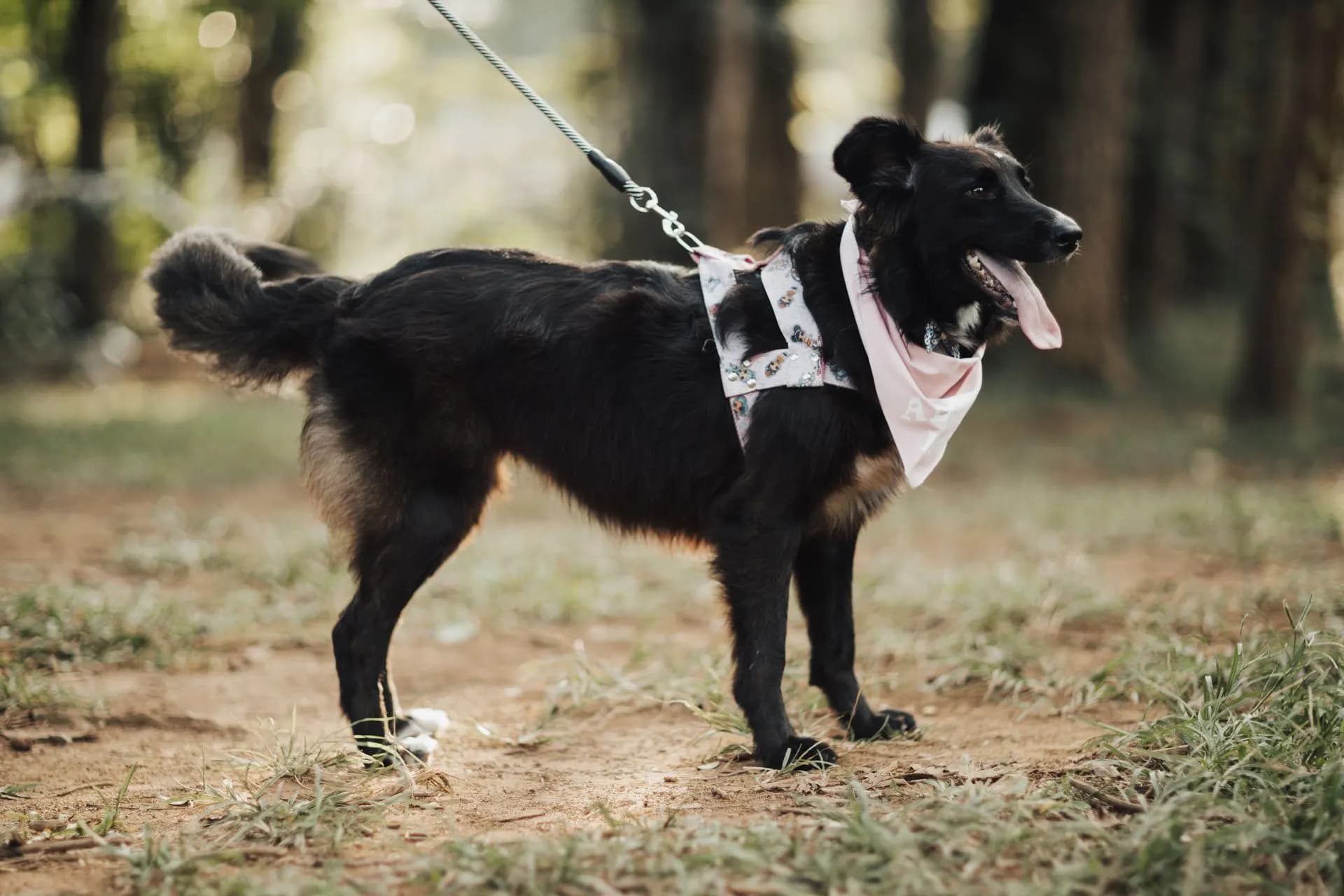
Walk guide
Choosing a harness that fits
A good harness sits snug, never rubs and stays put when your dog stops to sniff.
2
Two finger rule
Two fingers should slide under every strap. Looser can slip, tighter can rub.
3
Check the straps
Straps should sit clear of the armpits and the throat, with room for the shoulders to move.
4
In between sizes?
Size up, then adjust the straps for a snug fit.
Recheck the fit every few weeks for growing puppies and after a change in weight.
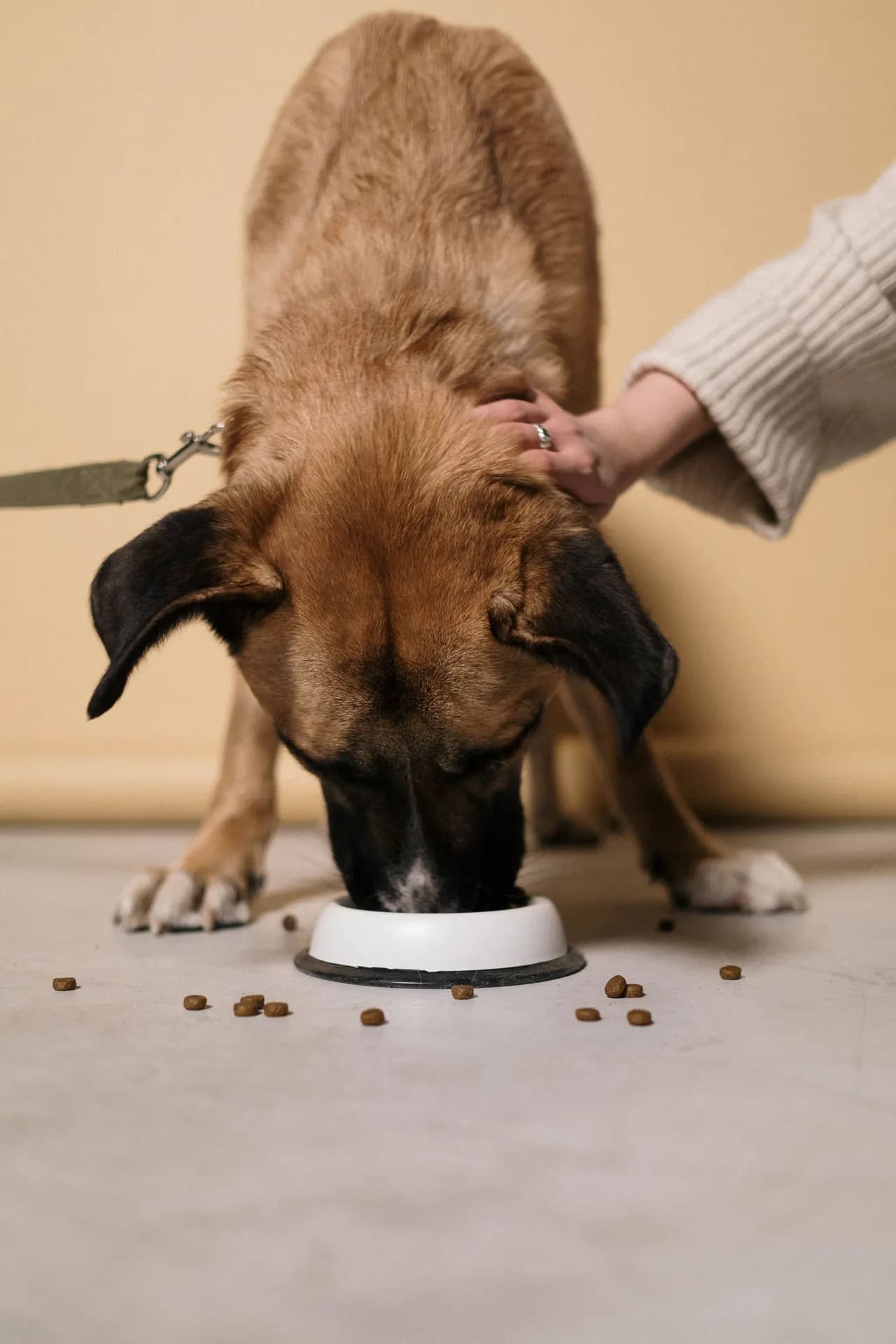
Food guide
Moving to a new food, slowly
Tummies like change to happen gently. Mix the new food in a little at a time over about a week.
1
Days one and two
About a quarter new food, three quarters of the old.
3
Days three and four
Half and half.
5
Days five and six
About three quarters new food, a quarter of the old.
7
Day seven
All new. Keep fresh water out and meal times the same.
Go slower if your pet needs more time, and ask your vet before a switch if they have a sensitive tummy or a special diet.
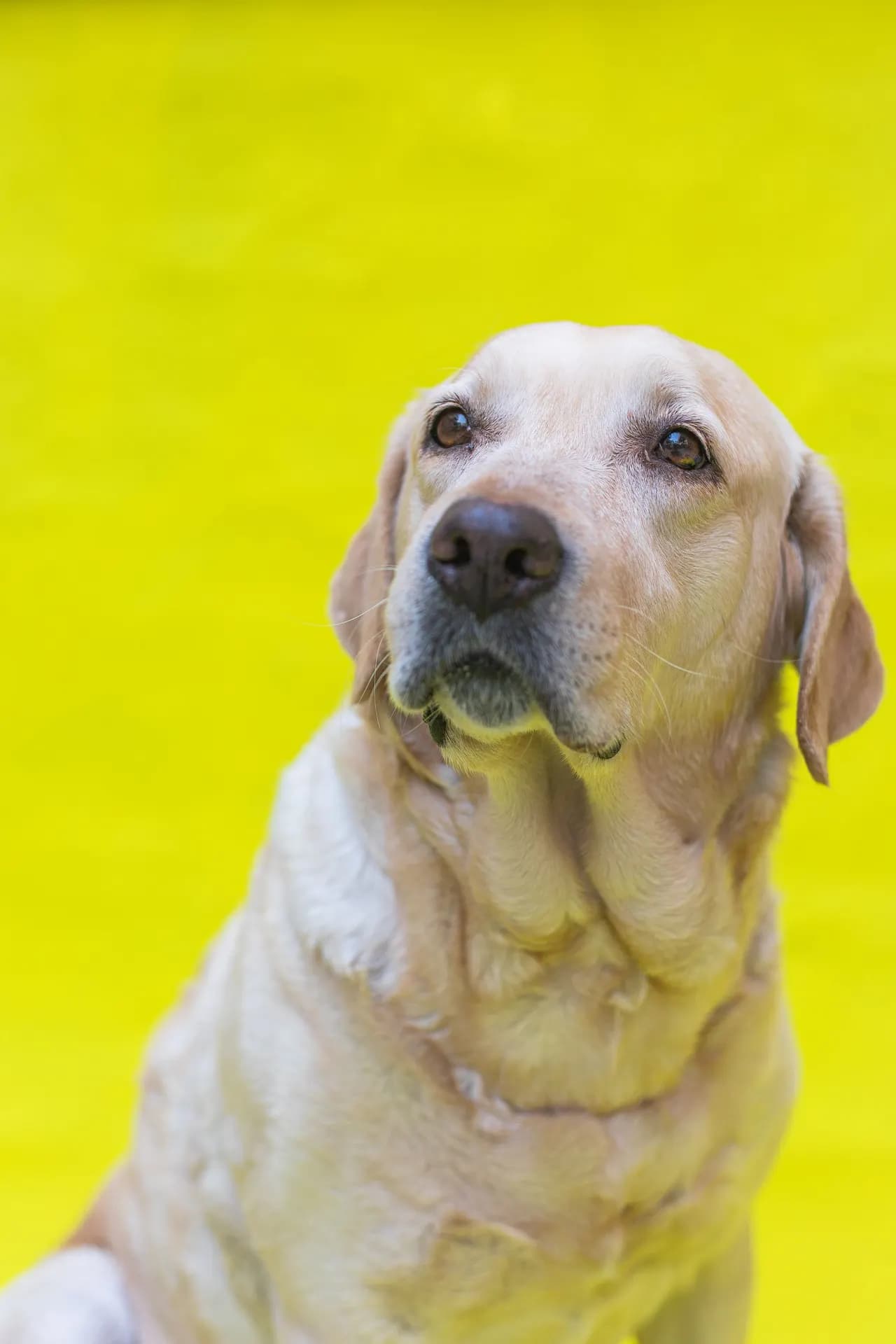
Senior
Grey muzzles, warm hearts
Comfort first. Softer beds, gentler walks and outings that suit the weather.
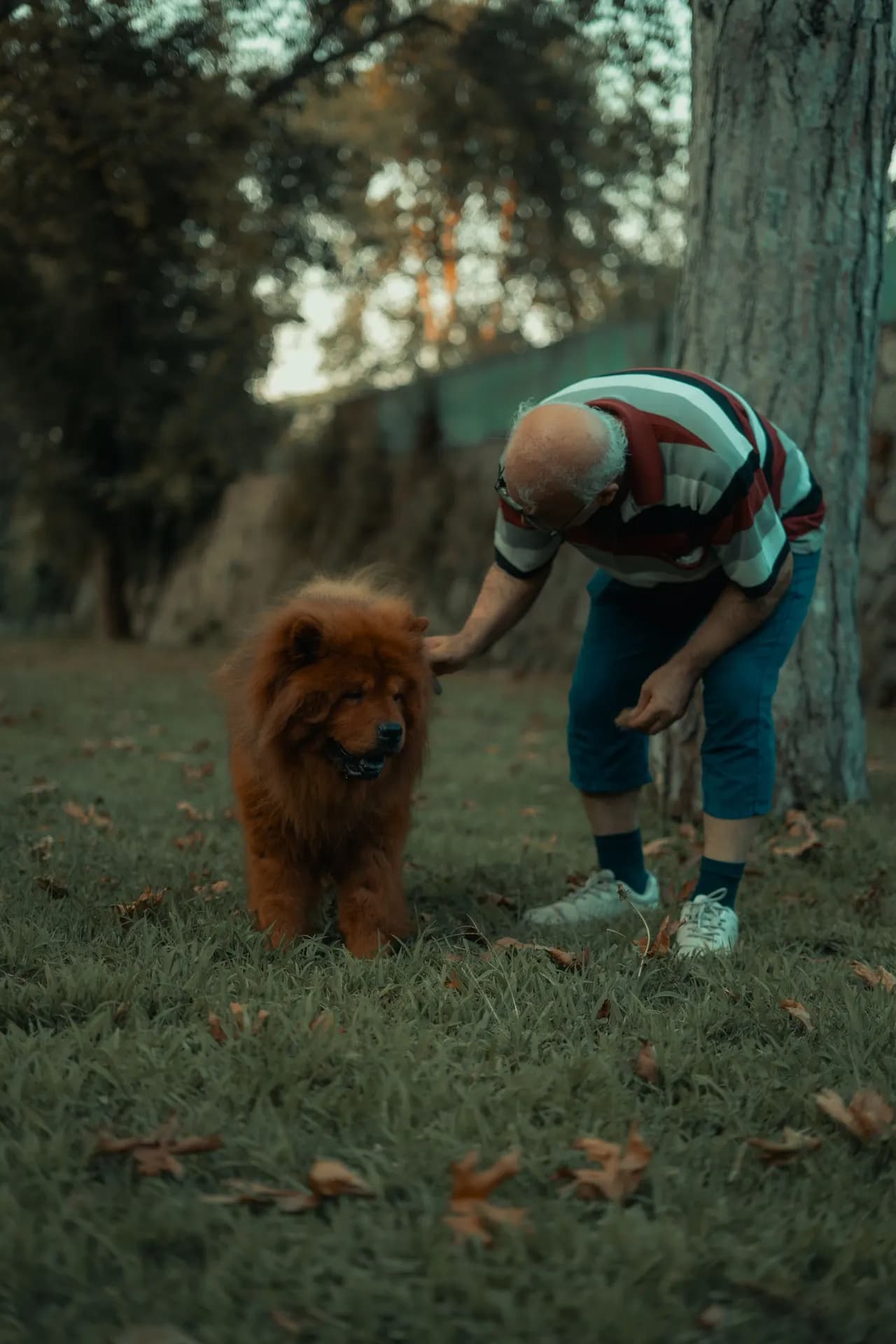
Senior guide
Slower days, softer beds
Older pets still love a walk and a game. They just like it a little gentler.
1
A deeper bed
Thick, supportive padding in a warm spot away from drafts.
2
Shorter, more often
Two or three short strolls can suit them better than one long walk.
3
Easy footing
A rug on slippery floors and a step or ramp to favourite spots.
4
Gentle play
Soft toys and sniffing games keep minds busy without a lot of running.
Ask your vet how often to book checkups as your pet gets older, and mention any change in sleep, appetite or energy.

Walk guide
Walks in hot or cold weather
Every season has its own good walk. Small changes keep it comfortable all year.
Ask your vet how much exercise suits your pet in very hot or very cold weather.
Questions
Good questions, good pets
Ready to kit them out? Pick your pet and size and we will point you to the gear that fits.