How to measure
Four numbers, one soft tape
Use a soft tape measure. No tape? A piece of string and a ruler work just as well.
1
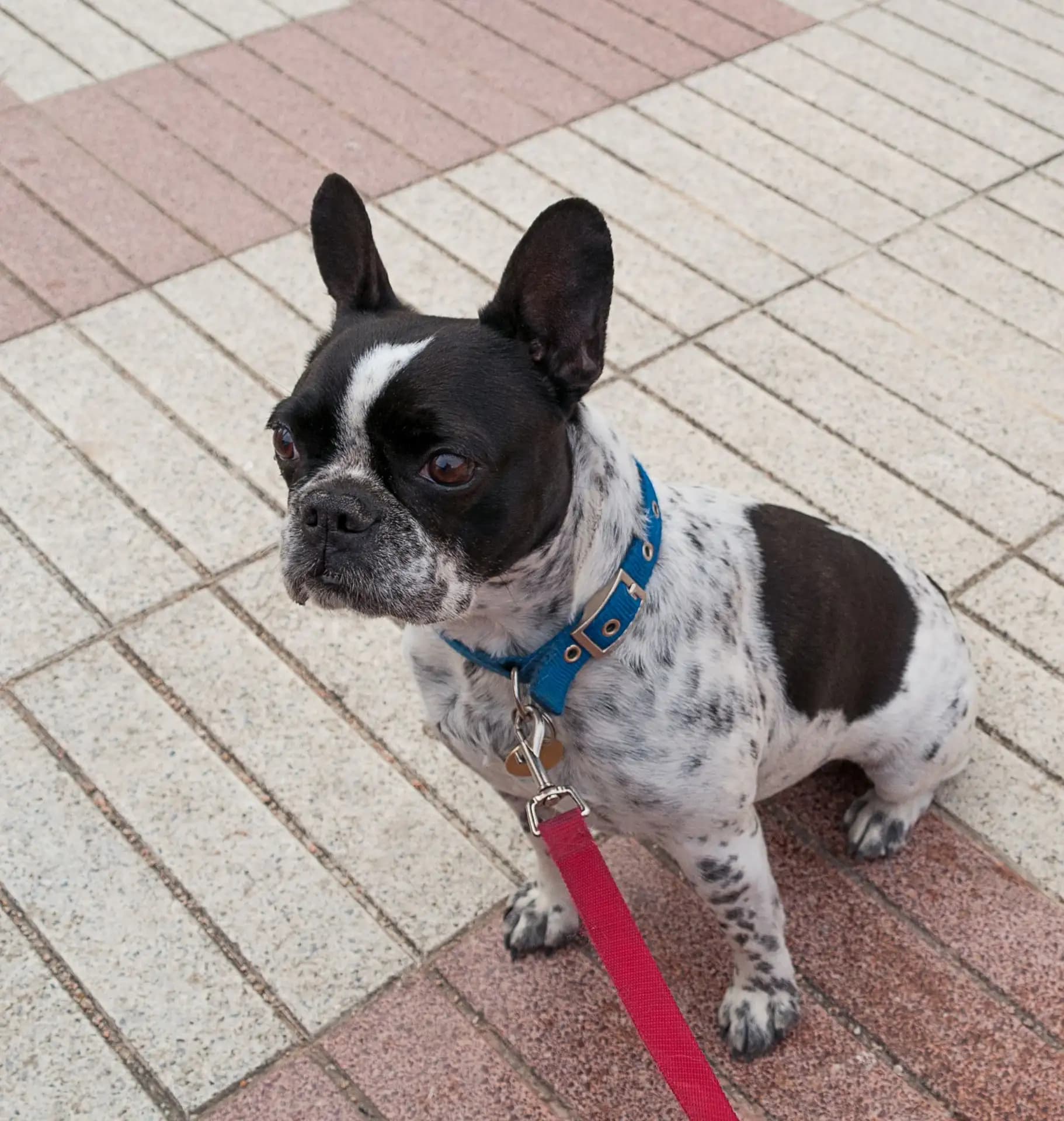
Neck
Measure around the neck where the collar sits. Keep the tape snug, not tight.
2
Chest
Wrap the tape around the widest part, just behind the front legs.
3
Back length
From the base of the neck to the base of the tail. For beds, measure nose to tail.
4
Weight
Step on the scale holding your pet, then without, and take the difference.
In between sizes?
Size up.
Then adjust the straps for a snug fit. A bed that is a little big is still a good bed.
Measure: Neck
Collars
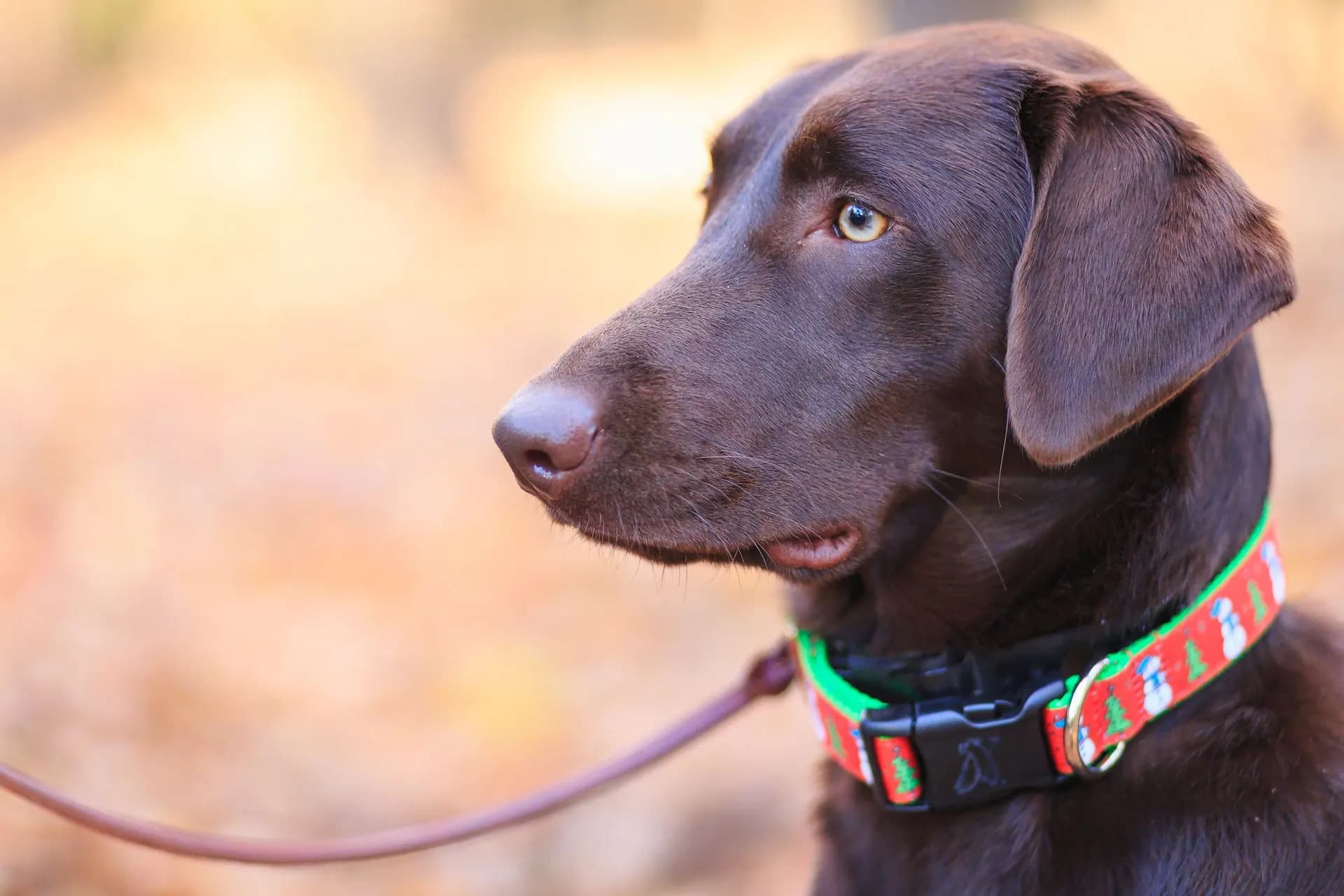
Measure where the collar sits, then leave room for two fingers.
Example sizes: check each product page for exact measurements. A Chihuahua is often XS and a Beagle often M.
Measure: Chest
Harnesses
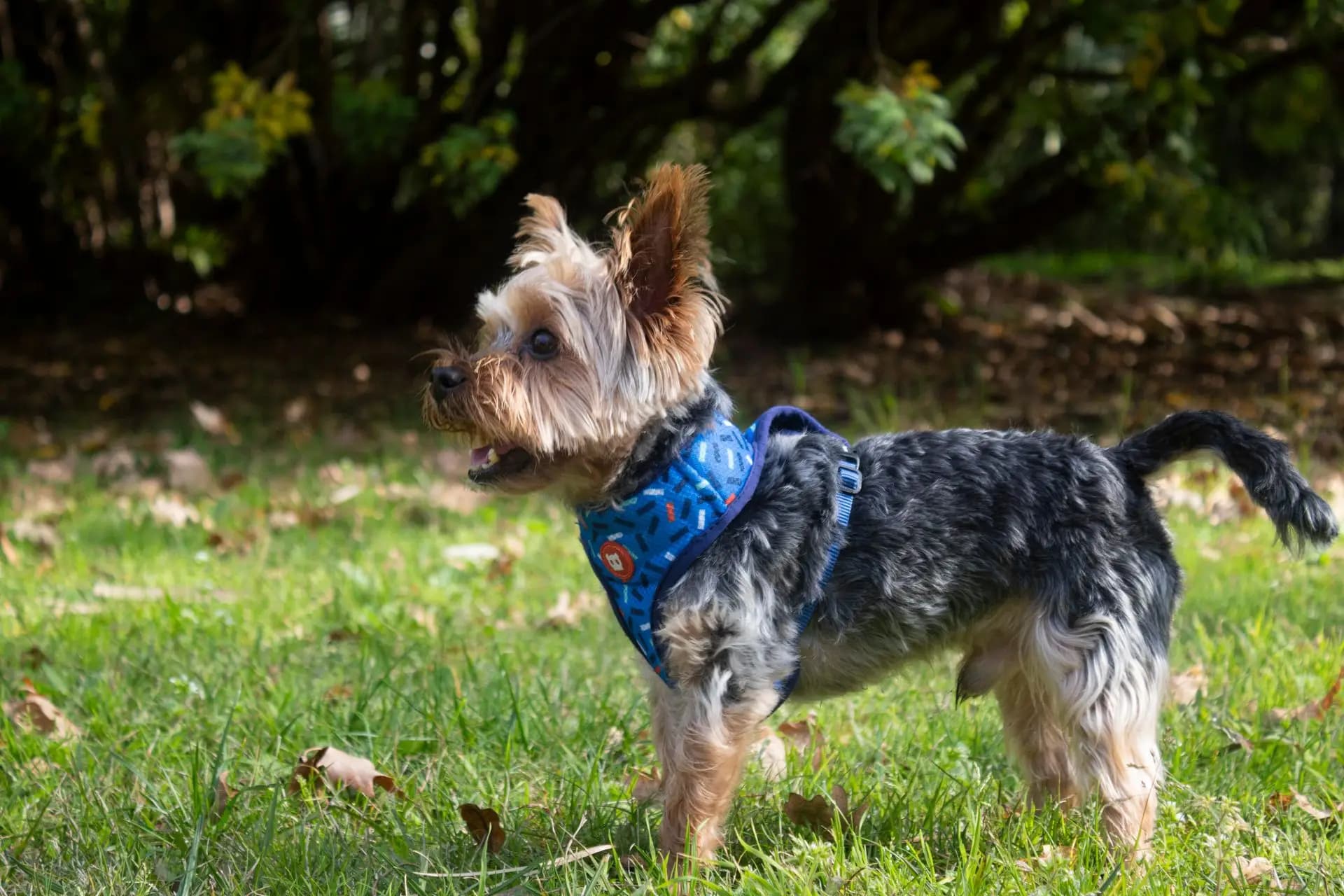
Wrap the tape around the widest part of the chest, just behind the front legs. Two fingers should fit under every strap.
Example sizes: check each product page for exact measurements. A Yorkshire terrier is often XS, a Beagle often M and a Labrador often L.
Measure: Back length
Dog beds
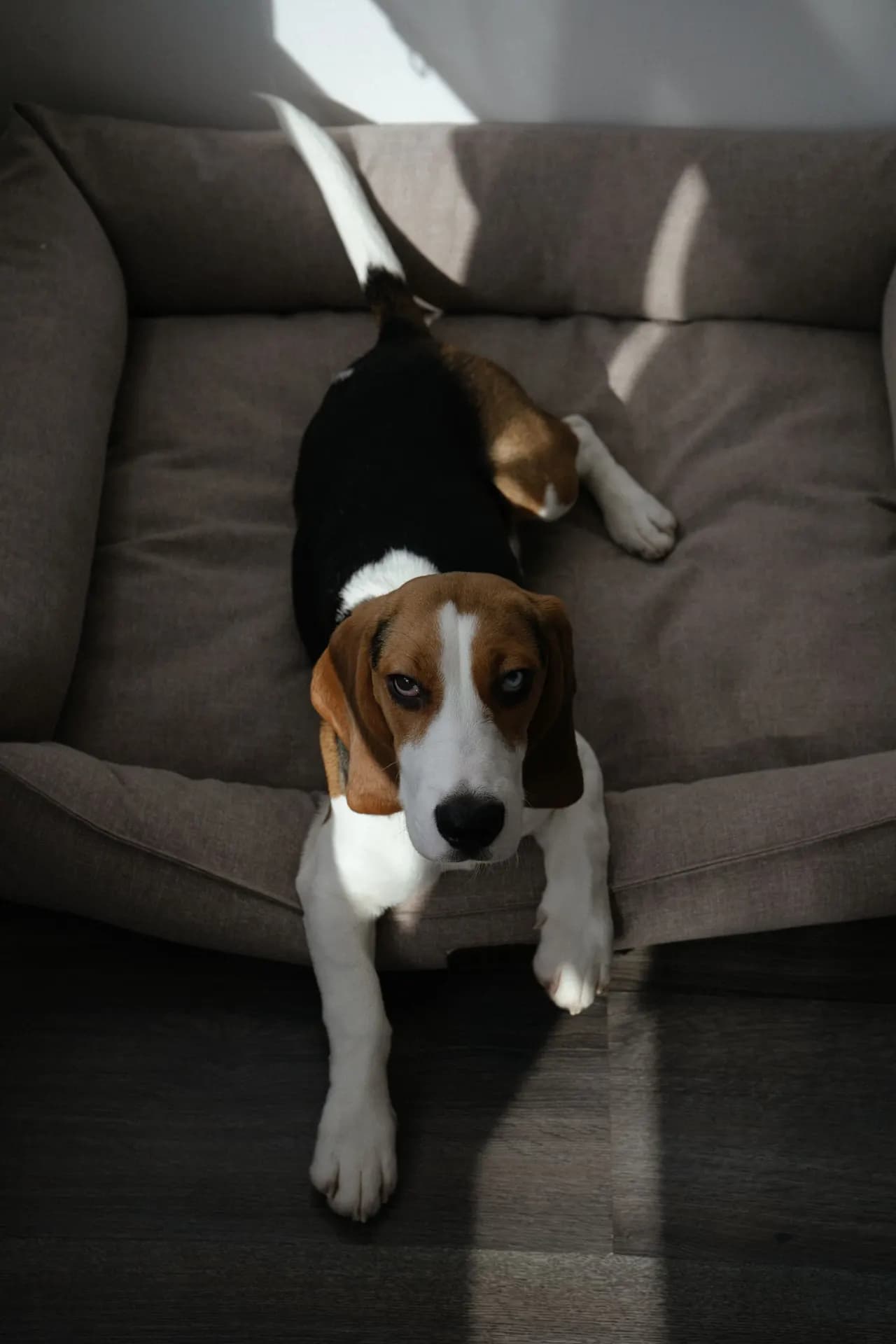
Measure from nose to tail base while your dog sleeps stretched out, then add 20 cm.
Example sizes: check each product page for exact measurements. A Beagle often fits an M bed and a Labrador an L or XL.
Measure: Weight
Bowls
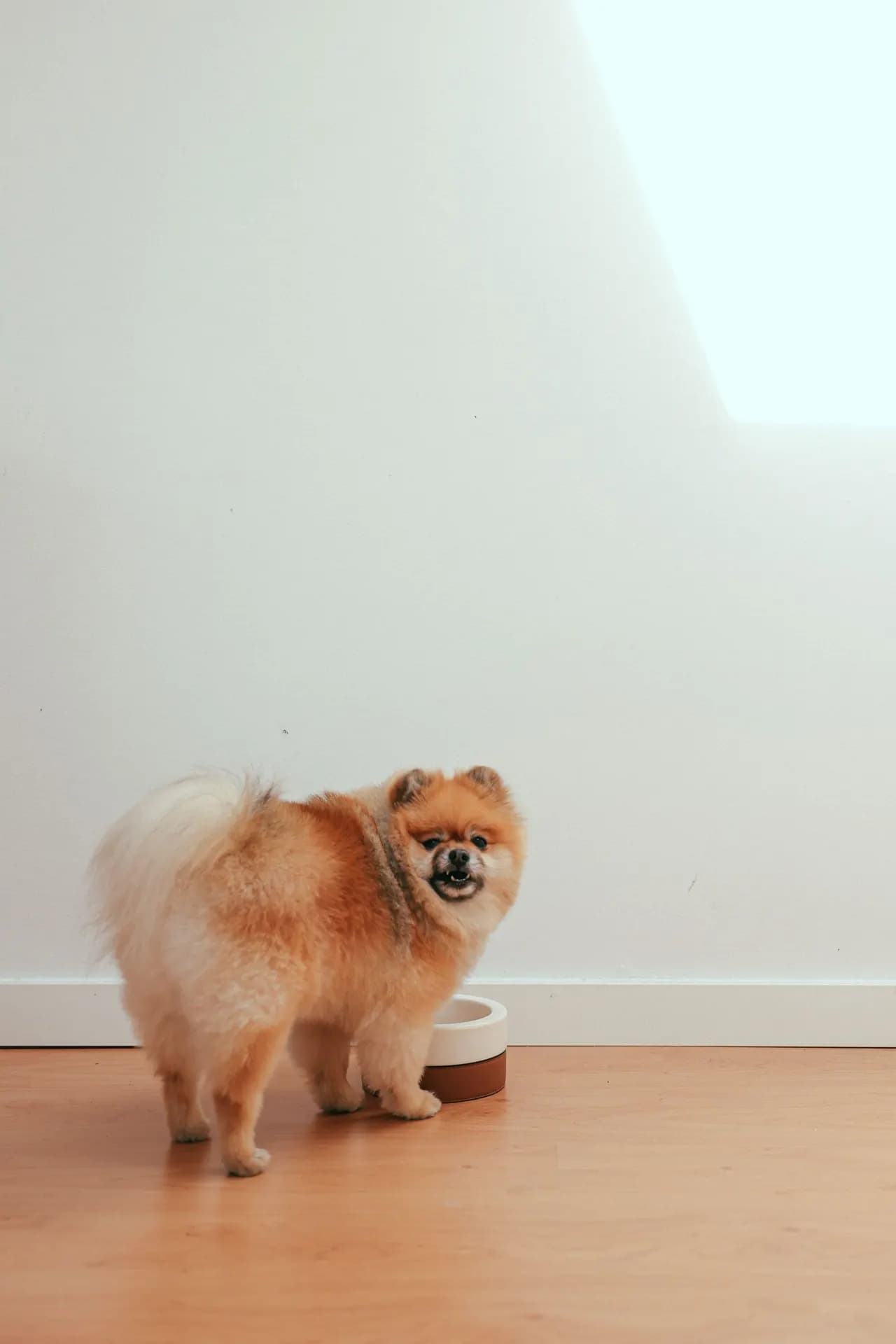
Pick by weight and by meal size. A deep bowl suits long noses, a shallow one suits flat faces.
Example sizes: check each product page for exact measurements. A Pomeranian often eats from an S bowl and a Labrador from an L.
Measure: Curled length
Cat beds
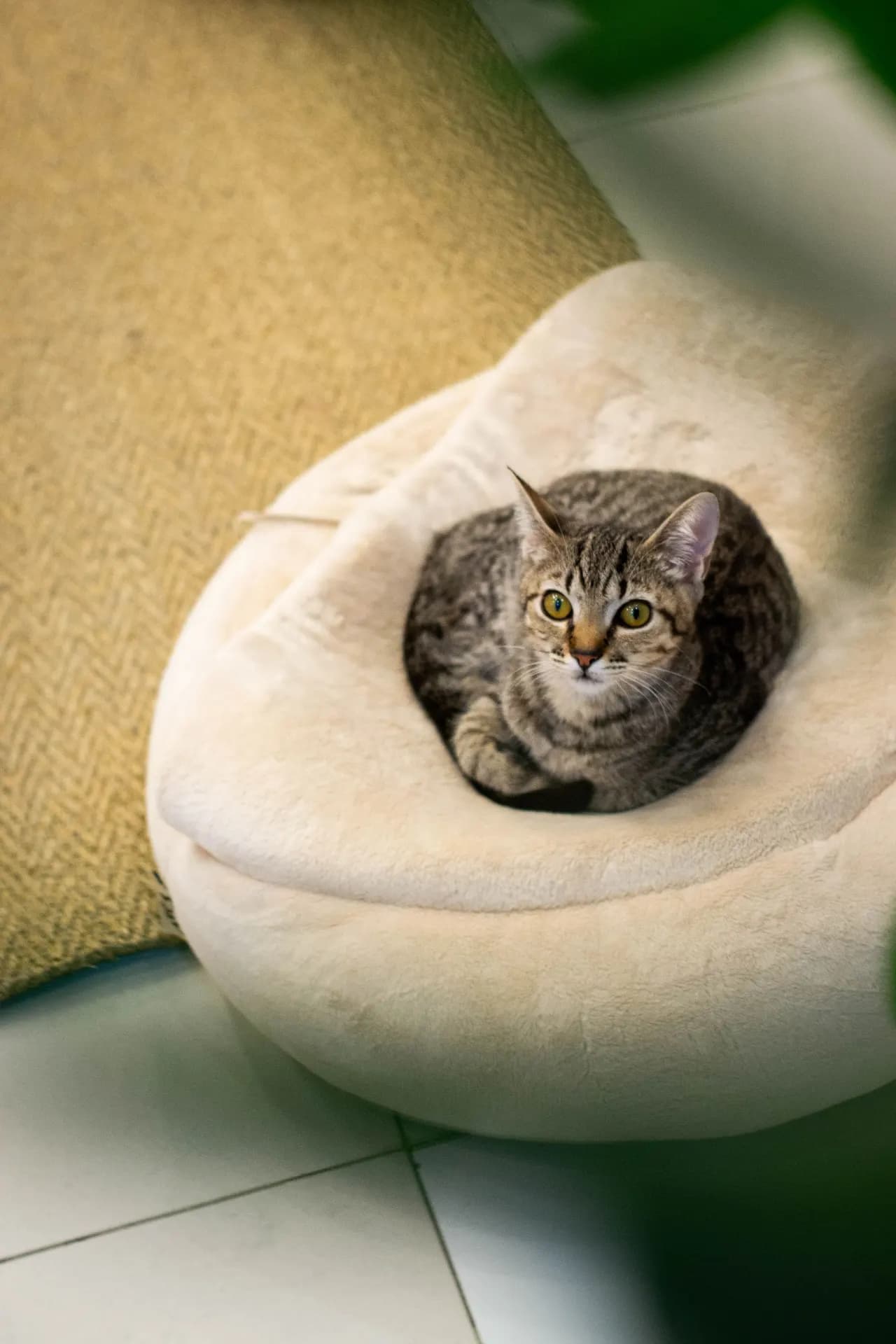
Measure your cat curled up asleep. Cats love a snug fit, so a bed that hugs them is just right.
Example sizes: check each product page for exact measurements. Most house cats fit a cave, and a big Maine Coon may be happier on a small dog bed.
Questions
Fit, answered
Not sure where to start? Pick your pet and size to see what to look for.